The Complete Guide to HVAC for New Homeowners in Avon
Published: 2026-04-04 · By BestCool Heating and Air Conditioning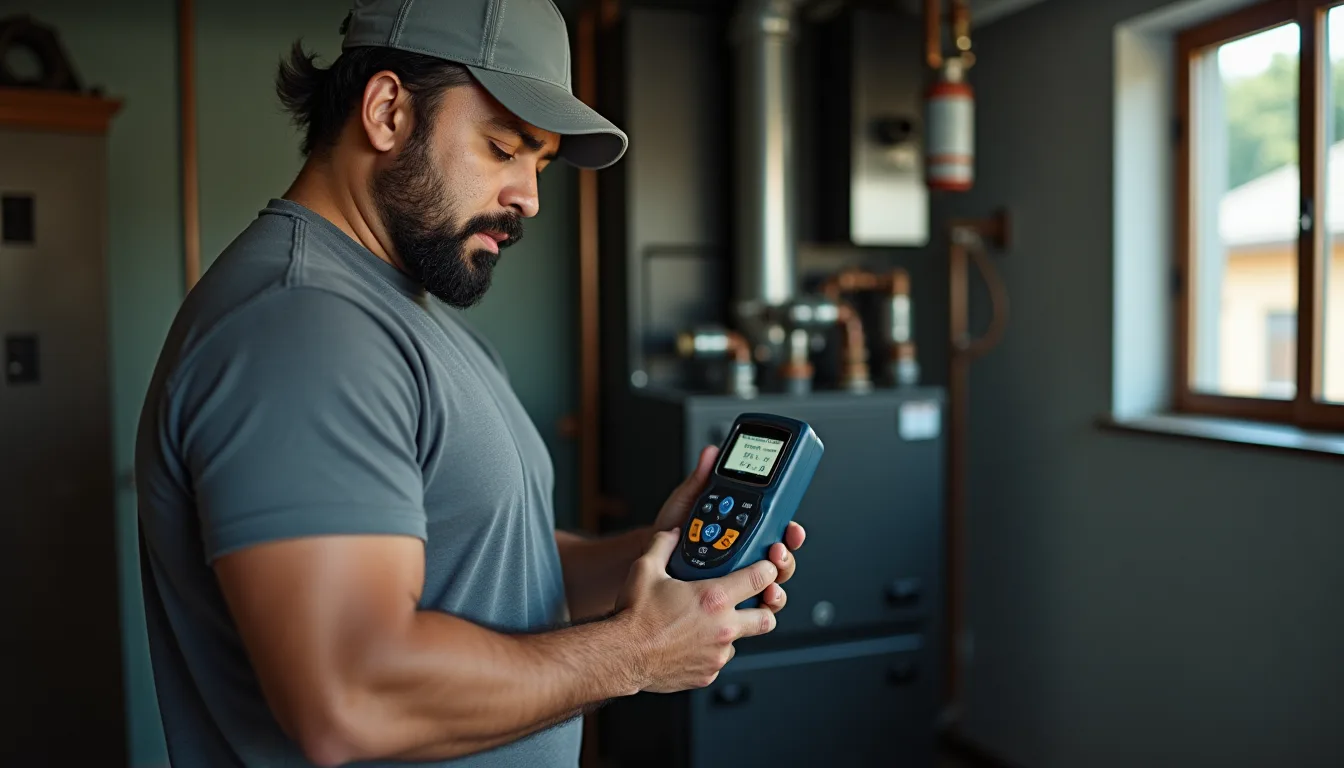
Congratulations on your new home in Avon. Between unpacking boxes, meeting neighbors, and exploring western Hendricks County, one critical system often gets overlooked: your HVAC. Whether you bought a vintage ranch in an older neighborhood near Rockville Road or a contemporary home in one of western Avon's newer subdivisions like Rolling Ridge or Beechwood Farms, understanding your heating and air conditioning setup will save you money, stress, and emergency repair calls. The difference between knowing your system and being blindsided by a furnace failure in February is literally the difference between comfort and crisis.
What You're Actually Looking At: System Basics
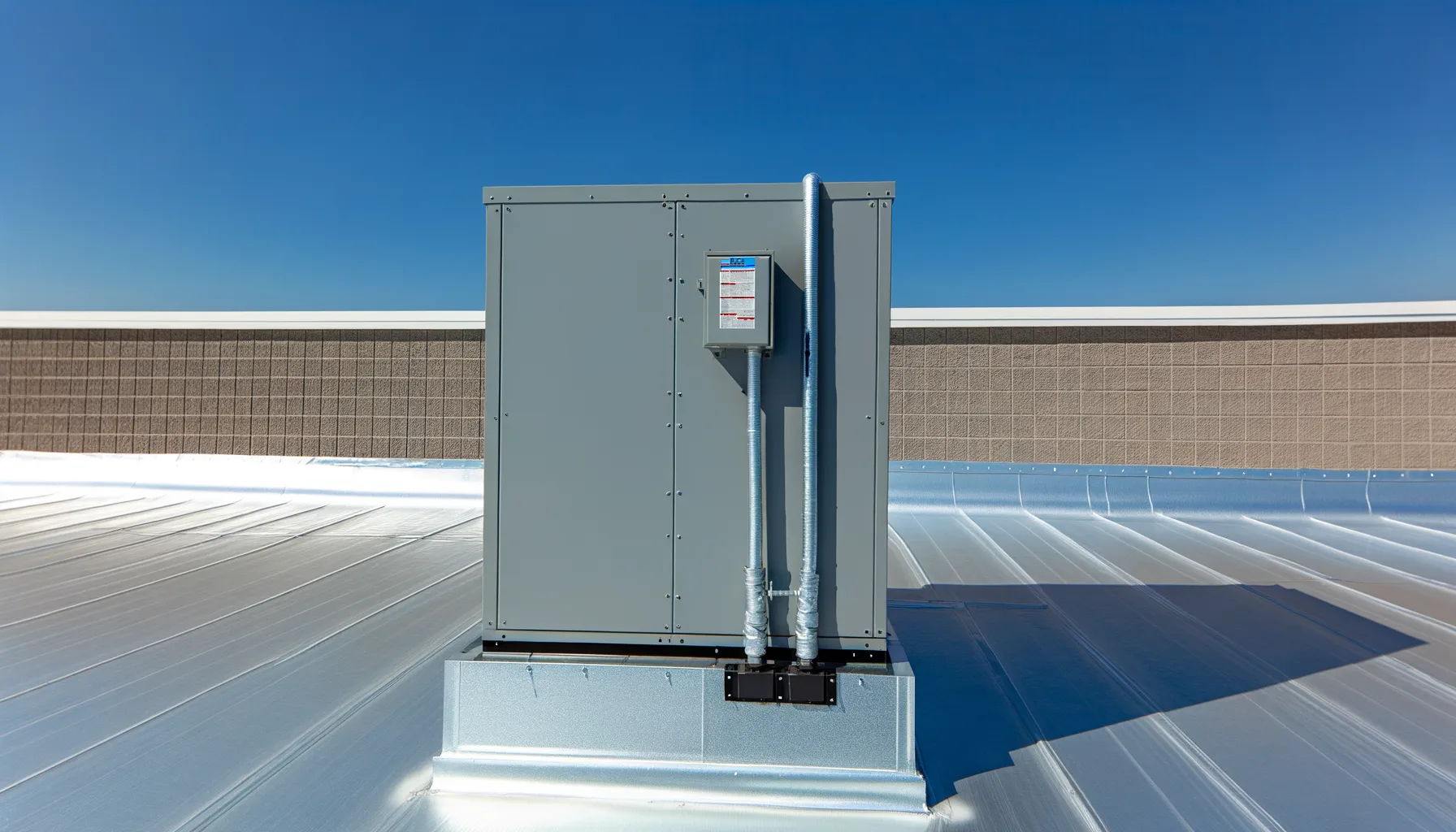
Your HVAC system has three main components working in concert. The furnace (or heat pump in newer installations) generates warmth or cooling depending on the season. The air conditioner unit, if separate from your heat pump, handles summer cooling exclusively. Ductwork distributes the conditioned air throughout your home to every room and closet. A thermostat serves as the command center, controlling when and how much heating or cooling runs. Simple in theory, right? The complexity emerges when these pieces interact differently based on your home's age, insulation quality, ductwork design, and the original installation decisions made decades ago.
If you moved to Avon from somewhere milder—Arizona, Florida, California—prepare for genuine extremes. Indiana winters can drop to -11°F with brutal wind chills that make exposed skin dangerous in minutes. Humid summers regularly hit 90-95°F, and the combination of heat and humidity makes your AC work overtime. Your HVAC system in Avon encounters seasonal stresses that systems in mild climates never face. That's why understanding it thoroughly isn't just helpful—it's essential.
Maintenance: The One Thing That Prevents Catastrophe
Here's the truth that seasoned Avon homeowners learn quickly: HVAC systems fail at the absolute worst possible times. Your furnace will quit on the coldest night of February when temperatures plummet and every contractor in the county is already booked for three days. Your air conditioner will die during a heat wave in July when you desperately need cooling and the nearest available technician is two weeks away. You can't prevent all breakdowns—equipment fails eventually—but regular preventive maintenance cuts emergency calls by approximately 70%. That's not just a statistic. That's your family sleeping in a warm home instead of shivering in your car.
Spring tune-up before cooling season: Have a licensed technician clean your AC coils (which collect dust and pollen), check refrigerant levels with proper gauges, test all electrical connections, and inspect the outdoor condenser unit for damage or blockage. This thorough visit takes about one hour and costs between $150 and $250. It prevents your AC from dying in August.
Fall tune-up before heating season: Furnace inspection including the heat exchanger (looking for cracks that could cause carbon monoxide issues), burner cleaning, blower motor assessment, and safety control testing. Same investment, same time, same peace of mind. It prevents your furnace from failing in January.
Between those professional visits: Replace your air filter every 30 to 90 days depending on whether you have pets (pets = more frequent replacement), anyone in your home has allergies (increases replacement frequency), or you live in an area with high dust (like parts of Hendricks County near construction). A clogged filter reduces efficiency, makes your system work harder, and shortens equipment lifespan.
The Thermostat: Your Remote Control
Your thermostat is the user interface and command center for your entire HVAC system. Modern programmable or smart thermostats save 10% to 15% on heating and cooling costs simply by automating temperature setbacks when you're away from home or sleeping. If you still have a mechanical dial thermostat from 1995, upgrading is one of the highest-return-on-investment improvements you can make to your new home. The cost is roughly $200-400 installed. The savings accumulate monthly.
Programmable thermostats learn your daily routine if you input it correctly. Smart thermostats take this further by learning your preferences automatically and adjusting for outside temperature and humidity without your input. Some connect to your smartphone so you can adjust your home's temperature from anywhere. As a new homeowner, this technology pays for itself within two heating and cooling seasons, and then you enjoy pure savings thereafter.
Emergency Situations and When to Call
Your furnace won't ignite despite the thermostat calling for heat? Your air conditioner is running but no cool air reaches the vents? You hear grinding, squealing, or rattling noises from your equipment? These aren't problems to research online and troubleshoot yourself. Call a professional immediately. With HVAC systems, attempting DIY diagnosis usually costs more in the long run because amateur repairs or well-intentioned but incorrect troubleshooting creates secondary problems that compound the original issue.
BestCool offers 24/7 emergency service throughout Avon and surrounding Hendricks County. We typically arrive within one hour in most cases, bring common replacement parts on every service call, and fix or accurately diagnose the issue on the spot. Yes, emergency service costs more than scheduling maintenance during business hours—emergency premiums are standard across all trades—which is exactly why preventive maintenance matters financially. Prevention costs less than emergency repair.
New Equipment Efficiency and Rebates
If your home had previous owners before you, you might be inheriting aging HVAC equipment. Modern furnaces operate at 95%+ AFUE (Annual Fuel Utilization Efficiency), compared to older units from the 1990s at only 75% to 85% AFUE. Modern air conditioners have SEER ratings (Seasonal Energy Efficiency Ratio) that are double or even triple older systems. This efficiency difference translates to energy savings that offset the replacement cost over 10 to 15 years.
Check with your utility company immediately—Vectren and other Indiana providers offer rebates ranging from $300 to $500 on high-efficiency equipment purchases. Some state and federal tax incentives apply too. Utility rebates effectively reduce your out-of-pocket cost. It's worth asking about these before you replace anything so you can factor them into your financial planning.
Ductwork: The Hidden Problem
Avon's diverse housing stock means everything from crawlspace homes with exposed and uninsulated ducts to modern slab-foundation homes with ductwork routed through attics. Duct leaks, disconnected sections, and poor insulation are extremely common in older Avon homes. You might notice that certain rooms never quite reach the temperature you set on the thermostat, or your heating and cooling bills seem inexplicably high compared to neighbors.
An HVAC professional can inspect and test your ductwork using smoke visualization and pressure testing techniques to identify leaks precisely. Sealing discovered leaks using proper mastic sealant often improves comfort and efficiency dramatically—sometimes reducing heating/cooling costs by 15-20%.
Choosing Between Service Companies
You just moved to Avon and don't have a trusted HVAC contractor yet. When you need service, ask neighbors and coworkers for referrals, check online reviews carefully, and call multiple contractors for quotes. Watch for companies that push expensive replacement before explaining repair options, or that can't articulate in plain English why they recommend something. The right contractor will propose solutions at different price points and explain trade-offs honestly.
Your First Year Priorities as an Avon Homeowner
First spring after purchase: Schedule an AC tune-up and comprehensive inspection. First fall: Get your furnace checked and serviced before heating season begins. Year-round: Keep filters clean and note any performance changes. By month twelve you'll understand your home's HVAC personality and can make informed decisions.
New homeowners often feel overwhelmed by mechanical systems. Your HVAC keeps your family comfortable through Avon's brutal weather extremes, so it deserves attention. Start with preventive maintenance, stay observant for performance changes, and call a professional at the first sign of trouble. That approach keeps repair bills low and comfort high.
Questions about your system? Call BestCool at (463) 229-8619 for a free consultation. We help new homeowners understand what they have and what comes next.