HVAC Safety Tips Every Avon Homeowner Should Know
Published: 2026-04-04 · By BestCool Heating and Air Conditioning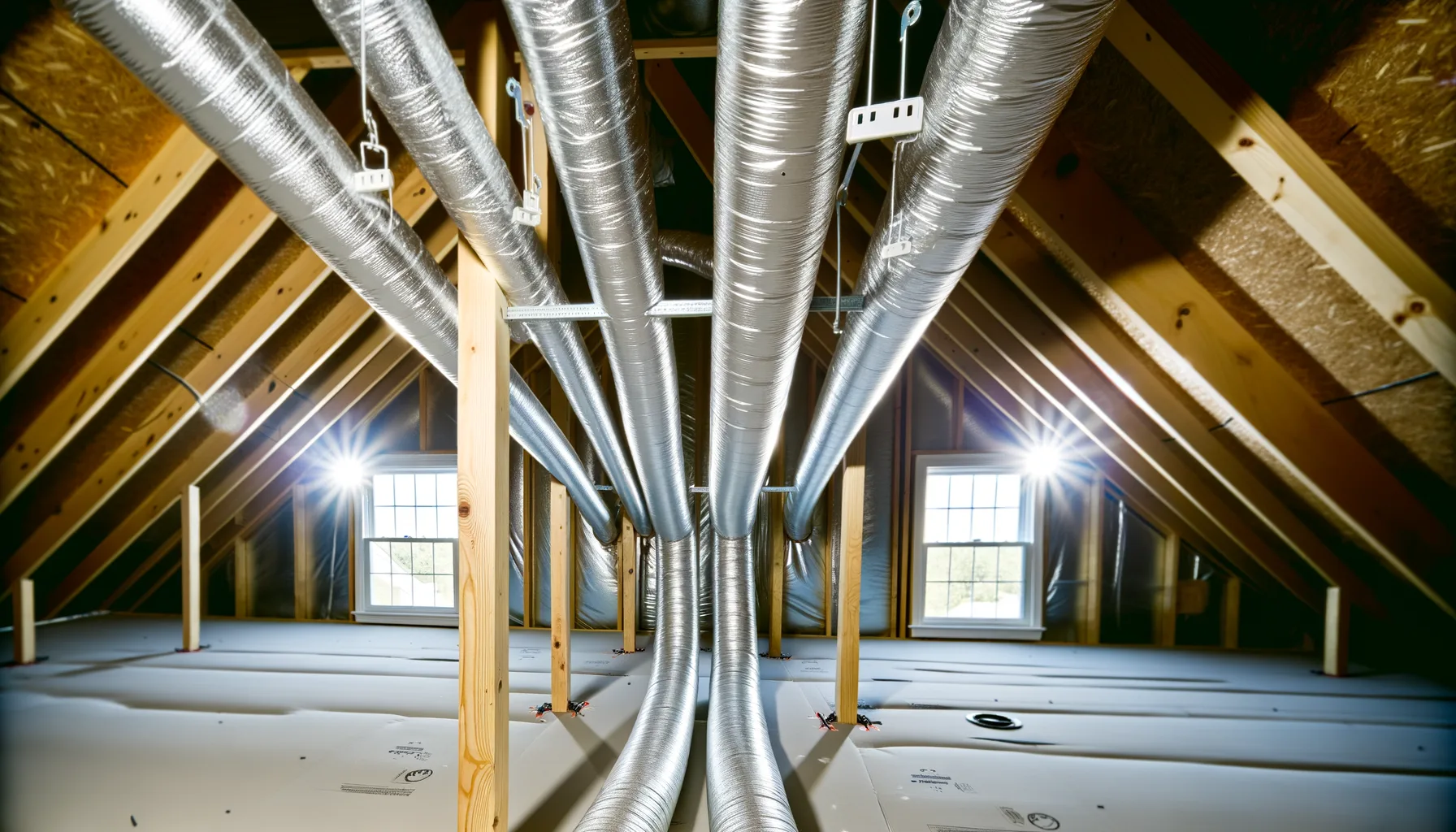
Your HVAC system is absolutely critical to your family's comfort, but it also involves combustion, high-voltage electricity, pressurized refrigerant, and moving mechanical parts. Safety absolutely matters. Avon homeowners should thoroughly understand carbon monoxide risks, electrical hazards, refrigerant dangers, and what maintenance tasks are genuinely safe for DIY versus when you must call a licensed professional for your family's protection.
Carbon Monoxide: The Silent, Invisible Hazard
Natural gas furnaces operate through controlled combustion—burning gas to generate heat. When the system works correctly, all carbon monoxide (CO) produced by combustion vents safely to the outdoors through the flue pipe. However, a cracked heat exchanger, blocked flue pipe, or improper venting creates a deadly situation inside your home. Carbon monoxide is completely odorless and colorless. You cannot see it, smell it, or taste it. Exposure causes headaches, dizziness, nausea, and at high concentrations, causes death within minutes.
Every home with a gas heating system should have dedicated CO detectors installed on each sleeping level of your home, plus one in the basement or utility room where your furnace sits. Test these detectors monthly by holding the test button and verifying they alarm. Replace batteries every year even if they still have power. If your CO detector alarms, don't investigate the cause—evacuate the house immediately, go outside, and call 911 from outside using your phone. Don't try to diagnose or fix the problem yourself.
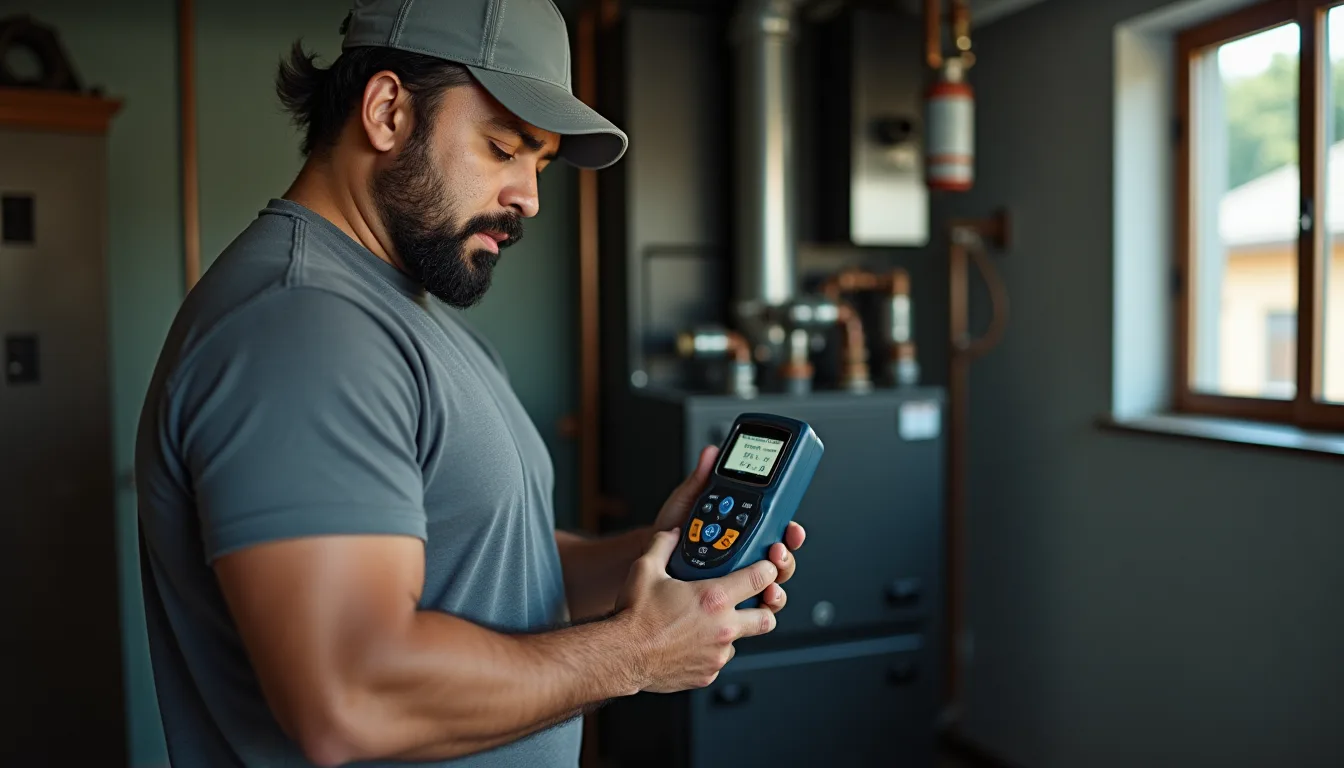
Your furnace should be inspected annually by a professional to rule out cracked heat exchangers and verify safe venting. A professional inspection costs $100 to $150 and provides essential peace of mind knowing your family is safe. It's the single most important safety test for any gas heating system.
Electrical Hazards: Extreme Voltage Demands Respect
Your air conditioning compressor and furnace electrical components operate at dangerously high voltage. Never, under any circumstances, attempt electrical work on HVAC equipment yourself. Capacitors store massive electrical charges even when the unit is completely powered off. Touching them without proper discharge procedures causes serious shocks that can cause injury or death. AC compressors operate at 230 to 460 volts—potentially lethal voltage that can cause cardiac arrhythmia.
If you smell burning plastic near your furnace, hear electrical buzzing sounds, or notice sparks inside the furnace, immediately turn off the circuit breaker to the unit from your main electrical panel and call a licensed technician right away. Don't investigate further or try troubleshooting. Don't try to restart it.
When your HVAC technician arrives for service, ask them to show you the electrical components and explain what they're checking and why. Understanding basic electrical system safety enhances your overall awareness. However, leave all actual electrical work exclusively to licensed HVAC professionals with proper training, certification, and insulated tools rated for the voltage present.
Refrigerant Safety: R-410A is Pressurized and Extremely Cold
Modern air conditioning systems use R-410A refrigerant. While it's not toxic to your family, it's stored under high pressure inside the AC lines and compressor. Touching refrigerant directly can cause instantaneous frostbite—tissue damage equivalent to severe cold exposure. If a refrigerant line ruptures or develops a leak, the rapid decompression creates dangerous pressure changes and extreme temperature changes inside the equipment.
Never, ever attempt to work with refrigerant lines or recharge your own system. Federal EPA regulations strictly prohibit unlicensed handling and disposal of refrigerant. If you suspect a refrigerant leak (you hear hissing sounds, notice oil stains on the outdoor unit, or your AC simply won't cool), hire a professional to diagnose the leak source, locate where it's escaping from, and recharge the system. Small leaks near fittings might require simple tightening. Larger leaks require line replacement or compressor service depending on severity and location.
Safe HVAC Maintenance Tasks Homeowners Can Perform
Not every HVAC maintenance task requires a technician. These specific tasks are genuinely safe for homeowners to perform:
- Replacing air filters regularly (always turn off the system first before opening the filter compartment)
- Removing leaves, twigs, and debris from around the outdoor condenser unit
- Keeping return air vents and supply registers clear of furniture, curtains, and blockage
- Checking that thermostat batteries are functional and replacing them when needed
- Visually inspecting accessible ductwork for obvious disconnections or damage
- Ensuring the furnace room has adequate clearance and that vents are not blocked
Before you perform any maintenance work, always turn off the system using the thermostat or circuit breaker to your main panel. Never work on electrical components, refrigerant lines, or moving mechanical parts. When in doubt about whether a task is safe, call a professional.
Furnace Room Safety Checklist for Avon Homes
Your furnace requires adequate airflow to operate safely and efficiently. The space immediately around your furnace should be completely clear of storage items, insulation debris, boxes, and flammable materials like paint, gasoline, or propane. Natural gas furnaces require combustion air—either from the room itself or delivered through sealed pipes. If your furnace room is too small, poorly ventilated, or blocked, carbon monoxide can accumulate to dangerous levels instead of being exhausted safely.
Verify that your furnace has a clear, completely unobstructed flue pipe leading to the roof. Blockages like lint buildup, bird nests, leaves, or ice accumulation prevent safe venting. After major storms or heavy snowfall, climb a ladder (safely) and visually verify that your flue exit pipe on the roof isn't blocked by ice, snow, or debris.
Keep all chemical cleaners, paint cans, and gasoline containers far away from your furnace. Fumes from these materials near furnace air intakes create hazardous conditions. Your furnace room should be clean, well-lit, and easily accessible to HVAC professionals if you ever need emergency service.
Preventing Refrigerant Leaks and Accidental Exposure
A properly designed and maintained AC system should never leak refrigerant. Your spring and fall maintenance appointments include professional checks of refrigerant levels and inspection of all lines for visible cracks or damage. If you notice your AC isn't cooling as effectively as it did last summer, resist the temptation to "top it off" with refrigerant from a quick-lube shop. That's band-aid treatment that doesn't address the root problem.
Professional diagnosis finds the actual leak source and determines repair strategy. Small leaks near connections might be sealed by tightening fittings slightly. Larger leaks require line replacement or compressor service. Addressing the underlying problem prevents the cycle of repeated low recharges and wasted money.
Seasonal Safety Considerations Specific to Avon
Avon and Hendricks County experience significant ice storms and heavy snowfall during winter. After major snow events, check that your outdoor AC unit isn't completely buried under snow and that its fan can spin freely without obstruction. Snow piling around the unit blocks critical airflow. Ice buildup on outdoor coils (called frosting) should melt away during normal operation, but if frosting persists, your system has a problem—don't attempt to chip ice off by hand as you could damage the delicate coil fins permanently.
Winter ice storms sometimes bring down tree branches and even damage power lines and electrical service. If you've experienced nearby weather damage or downed lines, ensure your furnace is safe to operate. Electrical service damage can affect thermostat wiring and equipment operation. Hire a professional to inspect your system after severe weather passes.
When You Must Immediately Shut Down Your System
If you smell natural gas (natural gas companies add a distinctive rotten-egg odor so leaks are detectable), shut off your furnace immediately using the circuit breaker on your main electrical panel. Evacuate your entire house immediately and call your gas company or 911 from outside your home. Don't light matches, don't use electrical switches, don't start your car in the garage—any spark could ignite escaping gas and cause an explosion.
If you hear an explosion-like sound or loud bang from your furnace, shut it down immediately using the circuit breaker. This could indicate a gas ignition problem or dangerous pressure buildup. Don't restart it under any circumstances until a professional has inspected and cleared it.
After power outages, wait 15 minutes before attempting to restart your furnace. The unit needs time to stabilize and reset. If it won't start normally or cycles abnormally after an outage, call a technician rather than repeatedly trying to restart it yourself.
Professional Maintenance as Fundamental Safety Practice
Annual furnace and AC inspections are essential safety investments, not optional maintenance niceties. A professional technician checks for cracked heat exchangers, verifies proper venting, tests electrical safety, inspects refrigerant line integrity, and confirms combustion operation is safe. They ensure your system is safe before winter heating season begins or summer cooling season arrives.
For Avon homeowners, two annual professional inspections—fall before heating season and spring before cooling season—catch emerging problems early and keep your family safe from carbon monoxide, electrical hazards, and equipment failures that could leave you without heat during -11°F cold snaps.
Questions about HVAC safety in your Avon home? Call BestCool at (463) 229-8619. We'll answer your safety questions thoroughly, perform comprehensive inspections, and ensure your system protects your family rather than endangering them.