Spring HVAC Maintenance Checklist for Avon Homes
Published: 2026-04-04 · By BestCool Heating and Air Conditioning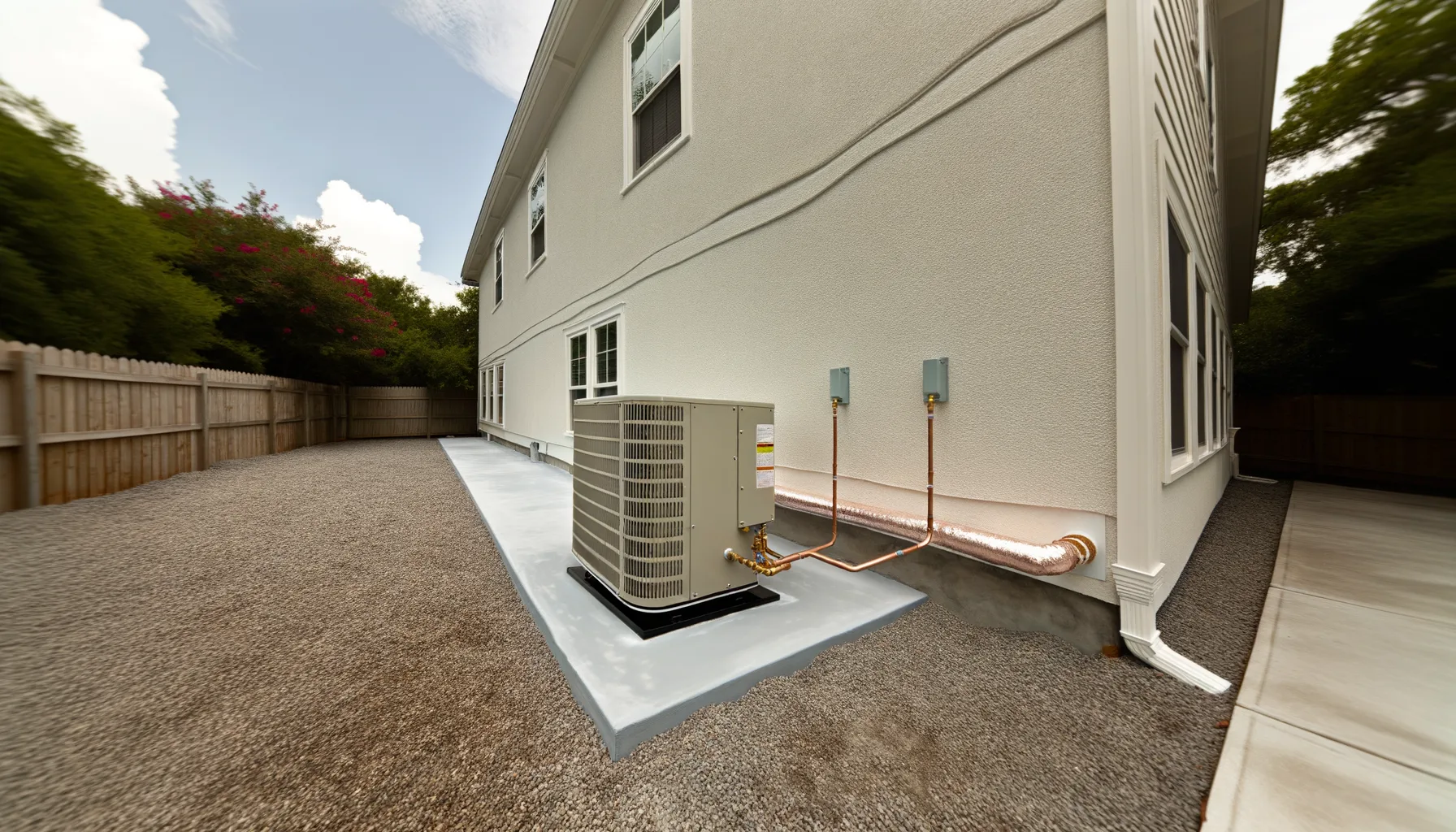
Last winter's ice storms and February's brutal sub-zero cold have finally passed. Avon's spring brings green grass, blooming flowers, birdsong returning to the trees, and something else entirely: rising humidity, occasional severe weather, and the knowledge that brutal summer heat is approaching. Your air conditioning system has been sitting idle for four or five months while your furnace handled the winter workload. Before you're desperately searching for a technician and begging for cool air during a 95-degree June heat wave, spend a Saturday morning on this comprehensive maintenance checklist. Taking these steps now prevents emergencies in two months.
Outside Unit Inspection: Check for Winter Damage and Debris
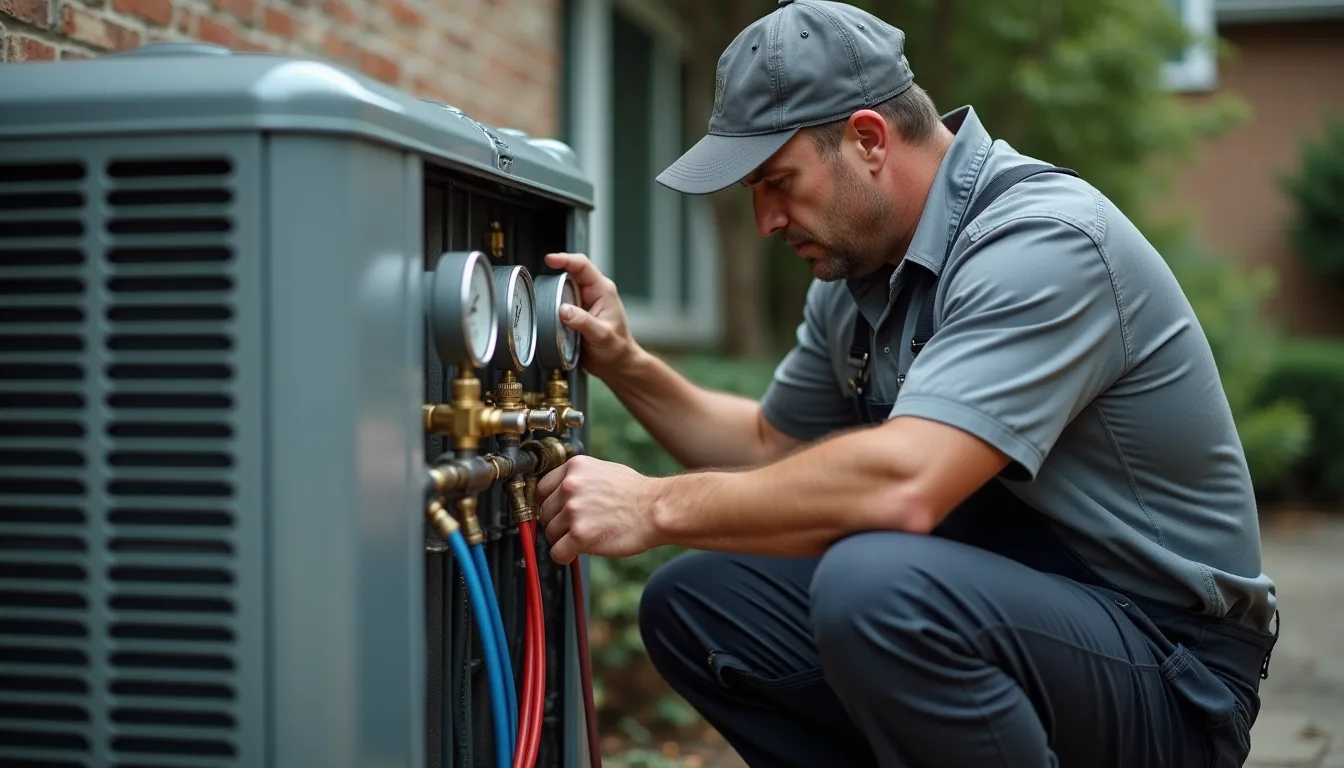
Bundle up and walk around to your outdoor AC condenser unit, the large metal box sitting in your yard. Inspect it carefully for winter damage—fallen tree branches from ice storms, accumulated leaves and twigs, rust starting to form on the casing, or dents from debris impacts. Remove any leaves, twigs, grass clippings, or dirt that's blocking the unit's exterior fins because accumulated debris severely restricts airflow, causing your AC to work overtime when summer arrives.
Check that the unit sits level on its concrete pad. Over several years of freeze-thaw cycles in Indiana winters, ground settling can tilt the condenser unit, which negatively affects refrigerant circulation throughout the system. If the unit is noticeably off-level (more than a quarter-inch), contact a technician because proper releveling requires specialized equipment and knowledge.
Examine the copper refrigerant lines running from the condenser unit to your home's air handler. These lines should be wrapped in thick black insulation sleeves. If the insulation is cracked, torn, missing in spots, or deteriorating, your system works much harder to cool your home because the refrigerant loses temperature as it travels. Damaged insulation is a straightforward repair that prevents larger problems from developing.
Indoor Coil and Filter: Dust and Airflow are Everything
Your furnace or air handler unit sits somewhere in your home—in a basement, attic, utility closet, or garage. The indoor coil (called the evaporator) does the actual cooling work by removing heat and humidity from indoor air. Over an entire heating season, this coil collects dust, pollen, pet dander, and mold spores as indoor air passes through it. This buildup gradually restricts airflow and reduces cooling efficiency when summer arrives.
Spring is the perfect moment to have a licensed technician clean your indoor coil professionally using specialized equipment and techniques. You cannot do this effectively with a household vacuum—professional cleaning requires specific tools. A professional coil cleaning takes 30 to 45 minutes and costs between $100 and $200, but the efficiency improvement justifies the cost.
While the technician is inspecting the coil, request replacement of your air filter. If you've been running your furnace all winter with the same air filter, it's almost certainly clogged and restricting airflow. Switch to a fresh filter rated appropriately for your system. Your technician can advise on MERV ratings if anyone in your household has allergies or you have multiple pets.
Thermostat Check and Summer Settings
Set your thermostat to cooling mode and verify that cool air flows from your supply vents into your living spaces. Test the system by setting the temperature to 72°F and listening for the AC unit to kick on outside. The temperature should drop noticeably within five minutes. If nothing happens—no sound from outside, no cool air from vents—you have an electrical, refrigerant, or wiring problem requiring professional diagnosis.
If you're running a programmable thermostat (not a smart one), spring is the moment to reprogram it for summer schedules. Set higher temperature setpoints (78°F instead of 72°F) while you're at work because cooling an empty house wastes energy. Program the system to cool the house back to 72°F about an hour before you typically arrive home. Smart thermostats handle this automatically, but even older programmable units save 10-15% on cooling bills with optimal scheduling.
Blower Motor Test and Noise Check
Turn your thermostat to "fan only" mode. Listen carefully to the sound coming from your furnace or air handler—the blower should run steadily and smoothly without grinding, squealing, rattling, or other unusual sounds. Any unusual noise often indicates bearing wear inside the motor or debris caught in the blower wheel. These problems only get worse and eventually cause complete failure.
If you hear grinding, squealing, or loud vibration, have a technician inspect before the system fails during summer. Blower motor replacement is routine maintenance and costs between $400 and $600, but addressing it in spring prevents being without air conditioning during a 95-degree heat wave when you have nowhere else to cool down.
Ductwork Visual Inspection (Accessible Areas Only)
If your ductwork is visible in crawlspaces, attics, or basements, walk through and look for disconnected sections, gaps where pieces no longer meet, or damaged insulation wrapping. Separated ducts waste cooling capacity and create hot and cold spots throughout your home. Damaged or missing insulation means your conditioned air loses temperature as it travels through unconditioned spaces.
Small gaps can be sealed with proper ductwork mastic sealant (not duct tape, which fails quickly on ducts). Larger disconnections or severely damaged sections require professional repair and assessment. An HVAC technician can perform a thorough evaluation and provide repair quotes after inspecting your entire ductwork system.
Outdoor Unit Pad Cleaning
The concrete pad beneath your outdoor condenser unit collects dirt, fallen leaves, algae growth, and general debris over months. Gently rinse the area with a garden hose, being careful not to spray directly at the unit's delicate fins—high-pressure water bends fins and damages the coil permanently. Use a soft brush to remove stubborn algae and debris buildup. A clean pad improves airflow around the unit and extends the equipment's operating lifespan significantly.
Refrigerant Level Assessment
You cannot check refrigerant levels yourself—this requires specialized gauges, EPA certification, and training. However, if your system was found to be low on refrigerant last season (your technician would have mentioned needing a recharge), spring is the ideal time for a professional recheck. Refrigerant should never leak away from a properly sealed system. If levels are low again, you definitely have a leak somewhere in the system's lines or fittings that needs locating and professional repair.
Emergency Preparedness Before Peak Season Hits
Before temperatures climb significantly, make sure you have your HVAC contractor's 24/7 emergency phone number saved in your phone. Spring maintenance visits are quick, affordable, and convenient. Emergency calls during a July heat wave at 2 AM cost significantly more and involve frustrating waits while every contractor in the county is already at other emergencies. Getting ahead of the season prevents this scenario entirely.
Spring Weather Considerations Specific to Avon
Avon and Hendricks County experience serious spring storm season with potential for hail, high winds, and tornadic conditions. Your outdoor AC unit is completely exposed to weather. Before severe storms are forecast, check that your condenser unit is secure on its pad and that nothing loose can blow into it during high winds. After storms pass, inspect your unit for hail damage or debris impact. Window-mounted AC units should be secured; temporary plywood protection isn't excessive during predicted severe weather.
Schedule Professional Spring Service Before May
If you neglected to schedule fall maintenance last year, spring is your opportunity to catch up. A comprehensive professional spring HVAC visit includes refrigerant level verification, all electrical connections inspection, capacitor testing, blower motor assessment, and full system operation verification under cooling load. Budget $150 to $250 and schedule your appointment before May when contractors become heavily booked with urgent requests.
Spring maintenance typically takes two to three hours and prevents approximately 80% of potential summer breakdowns. It's arguably the single best investment you can make in your comfort and equipment reliability going into the hot season.
Ready to prep your AC system for summer? Call BestCool at (463) 229-8619 to schedule your spring inspection today. We'll get your system ready for Avon's heat and humidity.