3 Signs You Need Professional HVAC in Avon
Published: 2026-04-04 · By BestCool Heating and Air Conditioning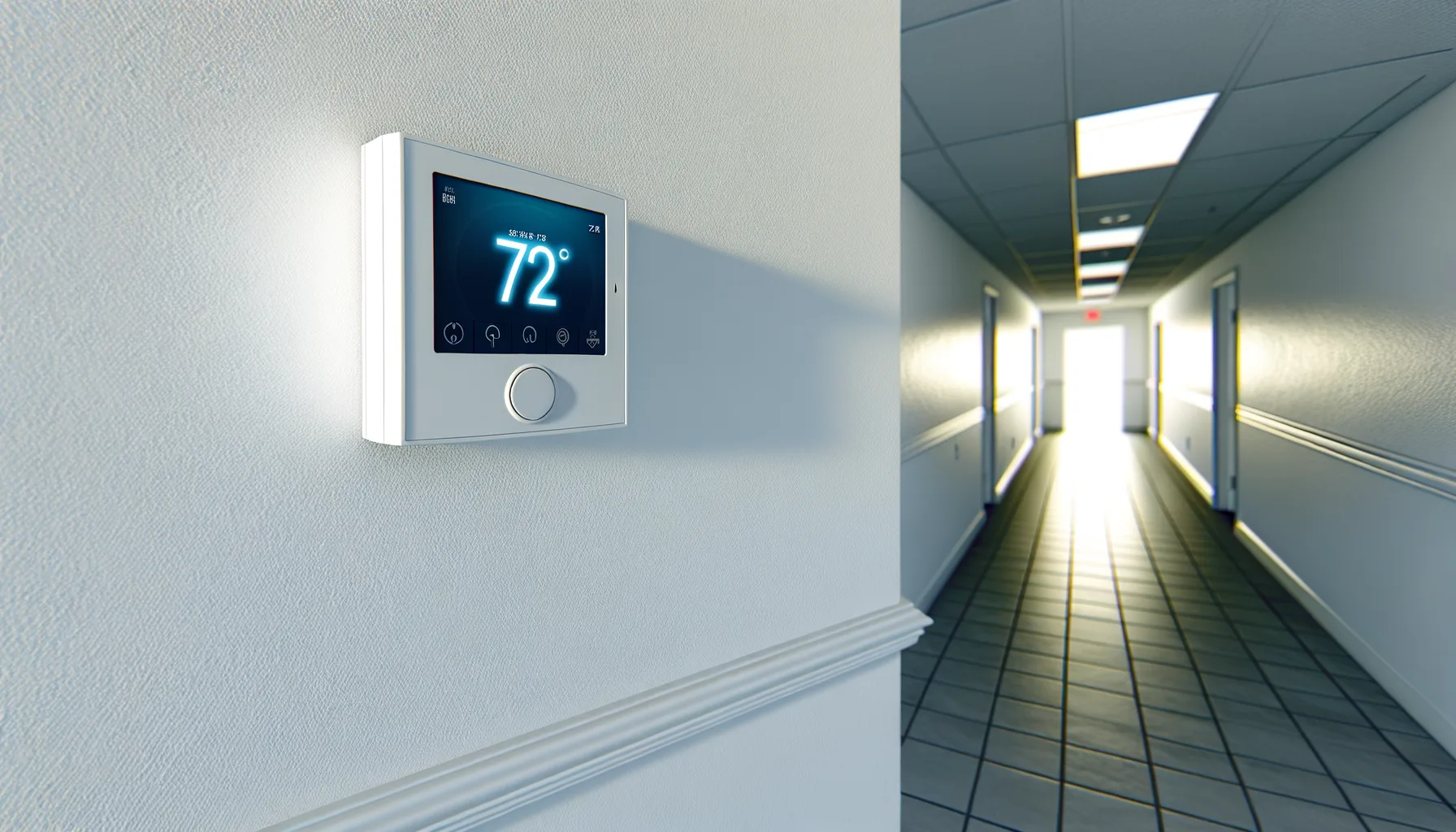
You wake up shivering in your Avon bedroom during a January morning when the thermostat supposedly maintains 70°F, but the living room downstairs is uncomfortably warm at 76°F. Your furnace makes a grinding noise you've never heard in five years of ownership. Your heating bill this month jumped 30% compared to the same month last year despite identical thermostat settings. These aren't minor quirks or maintenance annoyances—they're your HVAC system sending distress signals. Ignoring them leads to complete failure during the worst possible weather, when every contractor in Hendricks County is already booked and you're desperate for comfort.
Sign 1: Uneven Temperatures Room to Room and Floor to Floor
Your thermostat reads exactly 70°F because it's mounted in a relatively neutral hallway location. Yet your bedroom on the second floor stays at 62°F no matter how long the furnace runs, while your south-facing kitchen stays at 76°F despite cooling efforts. This dramatic temperature inconsistency—8-degree swings between rooms in the same home—isn't normal and indicates a serious system problem.
In Avon's older homes built on crawlspaces, this happens because ductwork has disconnected sections where pieces separated from one another, or because leaks are allowing heated or cooled air to escape into the crawlspace instead of reaching living spaces. In newer homes with poor ductwork design or zoning issues, supply registers don't balance heating and cooling distribution to all areas equally. Some rooms get too much airflow while others starve for conditioned air.
Cold or hot spots aren't just uncomfortable—they signal severe inefficiency and strain on your equipment. Your furnace or AC has to run significantly longer than it should to satisfy the thermostat's temperature demands, burning expensive energy and straining components. Some rooms may never actually reach the setpoint temperature no matter how long the system cycles.
Before you blame the thermostat itself or assume your system needs replacement, hire a professional to inspect your ductwork thoroughly. They'll use specialized equipment to check for disconnected sections, gaps where duct pieces no longer meet properly, damaged insulation, and whether supply and return air are properly balanced throughout your home. A comprehensive duct inspection with smoke testing typically costs $100 to $150 and pinpoints the exact problem. Sealing discovered leaks using proper mastic sealant often solves temperature inconsistencies completely—sometimes overnight.
If inspection reveals zoning problems rather than duct leaks, you might need balancing dampers installed or a smart thermostat with zone control capability. These aren't expensive fixes, but they require professional diagnosis to implement correctly.
Sign 2: Strange Noises from Your Furnace or AC Unit
Your furnace has hummed quietly for years—a familiar background sound you barely notice. Then one day you hear something different: grinding, squealing, rattling, or a metallic bang when it cycles. These abnormal sounds mean mechanical wear, loose internal components, or debris caught inside the equipment. Your system is literally trying to tell you something is wrong.
Grinding noise usually indicates the blower motor bearing wearing out and losing its lubrication. Squealing suggests a belt slipping or increased friction from wear. Rattling can mean loose panels, fasteners coming undone, or debris lodged in the blower wheel. A loud metallic bang on startup might indicate a cracked heat exchanger or gas ignition issue—potentially a serious safety concern.
Do not wait for these noises to go away—they won't. Call a technician immediately to diagnose the issue. These noises progressively worsen over time, and ignoring them risks a complete system failure at the absolute worst time: the coldest night in February when every contractor in the county is already responding to emergencies. A $300 bearing replacement caught early beats a $1,200 blower motor replacement. An emergency service call at 2 AM costs double or triple normal rates.
AC units make slightly different normal sounds—a refrigerant hiss, compressor hum, and condenser fan noise are typical. However, loud rattling, grinding, or high-pitched squealing from the outdoor unit signals definite trouble. Have it inspected before peak summer heat arrives and you desperately need cooling.
Sign 3: Rising Energy Bills Despite Unchanged Usage Patterns
Your family's routine hasn't changed compared to last year. You're not running the heat for longer hours or cooling more aggressively. You set the thermostat to the same temperature. Yet your heating bill this January was $200 higher than last January. Your cooling bill last July spiked 25% despite similar weather. This unexpected efficiency loss signals that your system is failing and working harder than it should be.
Several specific mechanical problems cause energy bills to rise. A failing compressor in your AC unit works harder and longer to move refrigerant and achieve cooling. A furnace developing a cracked heat exchanger or failing gas valve wastes fuel without actually heating your home effectively. Low refrigerant forces your AC to run nearly constantly to achieve any cooling. Clogged air filters restrict airflow, making your entire system work harder for the same results. A malfunctioning thermostat causes unnecessary and wasteful cycling.
Request an energy audit from an HVAC professional—a comprehensive inspection that typically takes 30 to 45 minutes. They'll check your filter condition (clogged filters reduce efficiency immediately), inspect coils for dirt and buildup, test refrigerant levels with proper gauges, measure temperature differentials across your system to identify problems, and examine all electrical connections. An audit typically costs $100 to $150 and frequently uncovers a simple fix—filter replacement, refrigerant recharge, coil cleaning—that pays for itself in energy savings within weeks.
If energy bills rise and stay elevated through two consecutive heating or cooling seasons, professional attention is absolutely necessary. In Avon's challenging climate with brutal winters and hot summers, a failing system can literally cost an extra $2,000 to $3,000 per year in wasted energy.
When to Act Versus When to Observe and Wait
Some HVAC quirks are harmless and resolve themselves. A thermostat reading 72°F when you've set it to 70°F might simply reflect its physical location in a naturally cooler hallway. One loud cycle during startup on an extremely frigid morning might be normal for your specific equipment. However, persistent problems—temperatures consistently varying 8 degrees or more between rooms, ongoing grinding or squealing that repeats every cycle, sustained billing increases lasting multiple months—demand professional diagnosis and repair.
The Real Cost of Waiting and Delaying Action
Avon homeowners frequently delay calling a contractor because they're hoping the problem magically resolves itself or they want to save the service call cost. This cost-cutting approach always backfires financially. A furnace making grinding noises that gets a bearing lubricated by a professional costs roughly $150 in service fees. If you ignore the noise, wait until the blower motor seizes completely, and then need an emergency replacement, you're looking at replacing the entire motor for $800 plus hefty emergency service charges. A small ductwork leak discovered during routine spring maintenance costs $200 to seal. The same leak discovered in July when your air conditioning can't cool your home and you can't get a technician for two weeks costs $400 plus the misery of living without cooling.
Getting Professional Diagnosis Without Pressure
When you call BestCool, we don't charge for diagnosis and assessment on service calls. Our licensed technician will inspect your system thoroughly, test individual components, identify the actual problem, and explain all available options before you're committed to any expensive repair. We provide cost estimates upfront with no surprises. If you're not comfortable proceeding with our recommendation, we'll document all findings so you can get a second opinion elsewhere if you choose. No pressure tactics, no upselling—just honest professional assessment.
These three warning signs—uneven temperatures throughout your home, strange noises from your equipment, and rising energy bills—are your system's way of requesting help. Act sooner rather than later to prevent emergency situations. Call BestCool at (463) 229-8619 to schedule a professional inspection and get your HVAC back to normal operating conditions.