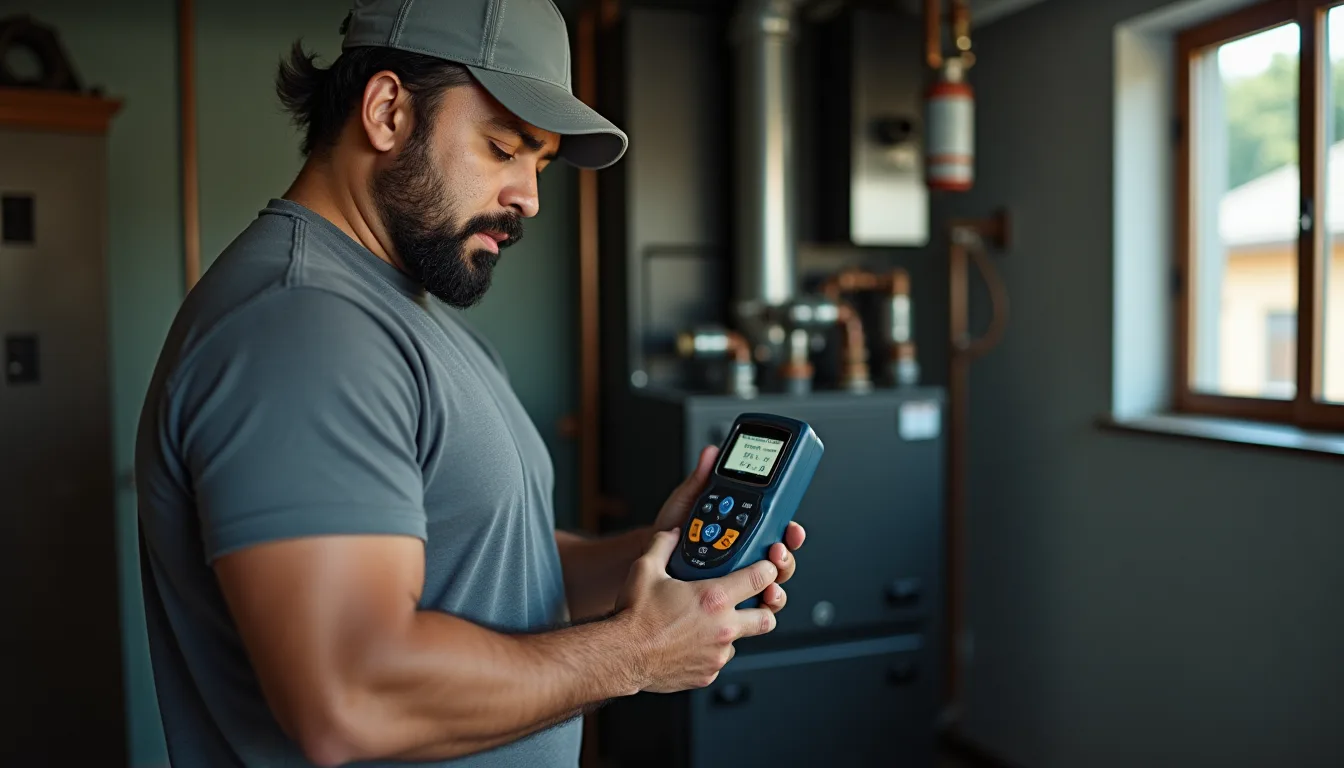
How Avon Building Codes Affect Your HVAC Needs
Published: 2026-04-04 · By BestCool Heating and Air Conditioning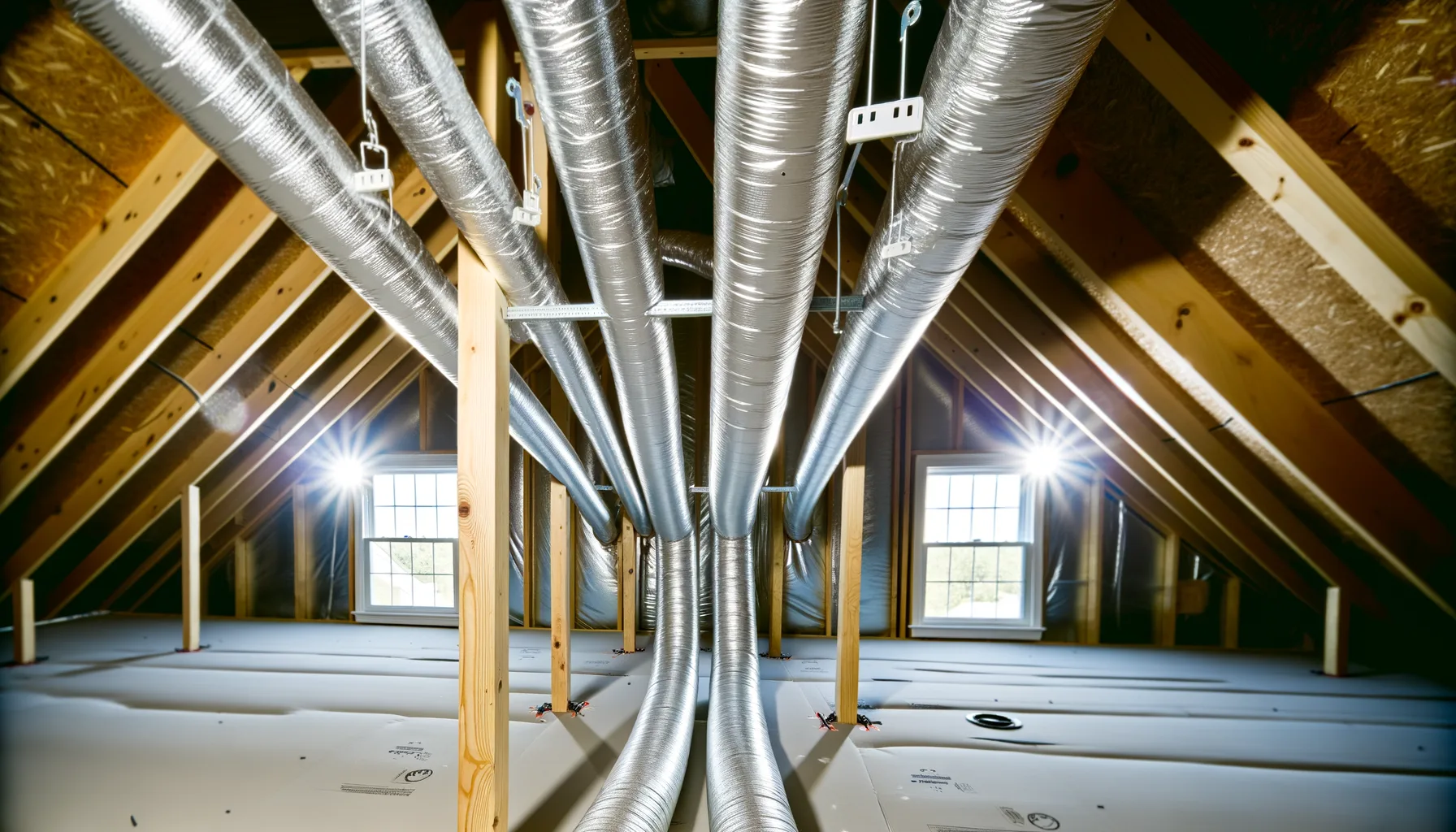
You're planning a major home addition or comprehensive renovation project in your Avon house. Or you're in the process of buying a property in Hendricks County and wondering whether the existing HVAC system meets current building code standards. Building codes—adopted and enforced at local, state, and federal levels—dictate specific requirements for what HVAC systems must do, how they must operate, and how they must be installed. Understanding these code requirements prevents expensive rework during inspections and ensures your system operates safely and efficiently for your family.
Avon and Hendricks County Code Authority Structure
Avon operates under the Hendricks County building code framework, which adopts the Indiana State Building Code, which itself is based on the International Building Code (IBC) developed by the International Code Council. The town of Avon's Building Department enforces code compliance for all work within town limits. Any HVAC work that involves modification to existing systems or new installation as part of renovations typically requires obtaining a permit from the Building Department and having inspectors approve the work before it's considered complete.
Hiring a licensed, reputable HVAC contractor automatically ensures code compliance throughout your project. Licensed technicians thoroughly understand local requirements and know how to coordinate effectively with building inspectors. DIY work or using unlicensed contractors often completely sidesteps the permitting process, which creates significant liability exposure and causes problems when you eventually attempt to sell your home.
Ventilation and Fresh Air Requirements
Modern building codes are increasingly strict about requiring fresh outdoor air intake in homes. Older Avon homes naturally infiltrated air through countless small cracks and gaps in the building envelope. Tighter, more efficient new construction needs intentional mechanical ventilation to replace this natural infiltration.
For homes without air conditioning (rare in modern Avon but still existing in older neighborhoods), operable windows and natural ventilation are acceptable under code. For homes with forced-air heating and cooling systems and sealed, tight building envelopes, mechanical ventilation becomes mandatory by code. A ventilation fan (ERV or HRV—energy recovery ventilator or heat recovery ventilator) pulls fresh outside air into the home while simultaneously exhausting stale indoor air to the outside. In winter, heat recovery ventilation preheats incoming outside air using the heat from exhaust air, minimizing energy loss in the process.
If you're adding square footage to your Avon home or upgrading your furnace as part of a major renovation project, the building inspector will carefully verify that adequate fresh air intake is present and functioning correctly. This requirement has become progressively stricter over the past decade as code has evolved.
Energy Code Compliance: AFUE and SEER Efficiency Standards
Indiana's state energy code mandates minimum AFUE (Annual Fuel Utilization Efficiency) for all furnaces and minimum SEER (Seasonal Energy Efficiency Ratio) ratings for all air conditioners. Current standards require a minimum of 90% AFUE for any new furnace installation and a minimum 13 SEER rating for new AC unit installations.
If you're replacing equipment as part of new construction or major renovation requiring permits, you absolutely must meet current minimum efficiency standards. In new additions with separate HVAC zones serving different areas, each zone and its equipment must independently meet the minimum standards.
The underlying purpose is statewide energy conservation and reducing residential energy consumption. Indiana building code, like most states, has progressively raised minimum efficiency standards as technology has improved and become cost-competitive. A 90% AFUE furnace is standard now, but 15 years ago, 80% AFUE was the acceptable standard. Over time, these minimums increase because efficient equipment becomes affordable for average homeowners.
Ductwork Design and Sizing Code Requirements
When you're adding new square footage to your home or redesigning HVAC for major renovations, all ductwork must be sized and installed to specific code standards. This means several things must be verified:
- Supply and return ducts must be properly sized to handle the calculated air flow for the new conditioned space without creating excessive velocity or undesirable noise
- Return air pathways must be completely adequate—return ducts or return air call-backs—to prevent negative pressure and unwanted infiltration
- Flex ductwork has specific limits on maximum length and routing layout to prevent excessive air resistance; hard ductwork is preferred for longer runs
- All ductwork located in unconditioned spaces (attics, crawlspaces, walls) must be insulated to a minimum of R-8 (some areas require R-12)
- All ductwork must be sealed properly to prevent air leakage (the newer the building code, the stricter the allowable leakage limits)
When building inspectors review renovation projects, they'll verify ductwork sizing calculations are accurate, confirm insulation is installed to code, and thoroughly check for proper sealing throughout the system. Sloppy or careless ductwork design undermines even the most efficient furnace or AC equipment.
Equipment Clearance and Accessibility Requirements
Furnaces and air handlers require adequate clearance for proper operation, professional service access, and safety. Code typically requires 12-18 inches of clear space around equipment on all sides for technician access and unrestricted airflow. If you're installing a new furnace in a cramped basement or utility space, code will require either using a smaller unit or physically expanding the available space.
Outdoor AC condenser units also need clearance—typically a minimum of 24 inches on all sides. If your property in a tight Avon subdivision has limited outdoor space, code still requires that you maintain proper clearance around the unit. This might mean locating the unit in a less aesthetically ideal location, but meeting functional code requirements is non-negotiable.
Refrigerant Lines and Electrical Service Requirements
If you're installing new AC equipment or a heat pump system, the copper refrigerant lines (the small and large diameter tubing) must be properly insulated and protected from damage. Exposed refrigerant lines gradually corrode, develop leaks, and reduce system efficiency over time. Code requires proper insulation sleeves rated specifically for outdoor environmental exposure.
Electrical service to all HVAC equipment must be on dedicated circuit breakers (not shared with other home loads). Modern HVAC equipment requires 240-volt service with proper amperage capacity sized for the equipment. Older electrical panels might require professional service upgrade if you're adding significant HVAC equipment. The licensed HVAC technician and licensed electrician must coordinate to ensure the entire installation is code-compliant.
Permit Requirements for Avon HVAC Work
In Avon, the following HVAC work typically requires obtaining a permit from the Town Building Department:
- New furnace, air conditioner, or heat pump installation
- Replacement of major components like compressor or heat exchanger
- New ductwork in renovations or additions
- Thermostat replacement (sometimes required, depending on scope)
- New ventilation fans or outdoor air intake installation
Simple routine maintenance repairs—blower motor replacement, capacitor swap, refrigerant recharge for leaks—usually don't require permits. But if you're uncertain about whether your specific project requires permitting, the licensed HVAC contractor will verify requirements with the building department.
Permit costs for HVAC work typically range from $75 to $200 depending on project scope and complexity. Permit cost is always worth it—it ensures code compliance, creates an official record of the work for when you sell, and protects your investment in the home.
System Commissioning and Building Inspection
After new HVAC installation, the building inspector must verify that the system is installed to code before issuing final permit sign-off. This inspection includes checking:
- Equipment nameplate data matches the permit specifications exactly
- Ductwork is properly sealed and insulated per code
- Electrical connections and clearances are correct
- Thermostat is properly connected and functional
- System operates correctly (furnace ignites, AC compressor runs, airflow is adequate)
A professional HVAC contractor walks the inspector through the completed work and answers all questions thoroughly. This professional relationship prevents surprises and necessary corrections that delay occupancy.
Older Homes and Retrofit Code Compliance Issues
Some Avon homeowners purchase older homes where the existing HVAC systems don't meet current building code standards. If you're simply maintaining existing equipment (repair-only approach), code generally allows the system to continue operating even if it wouldn't meet new installation standards today. You're not required to upgrade the entire system to current code just because you replaced a blower motor or capacitor.
However, if you're doing a major renovation or adding significant new square footage, code requires that the entire home's systems—not just the addition—meet current standards. This can mean upgrading existing HVAC to maintain code compliance throughout the whole house structure. Planning around this requirement prevents expensive and frustrating surprises during the permitting process.
Washington Township Specific Code Considerations
Washington Township, where significant portions of Avon are located, falls under Hendricks County code jurisdiction. Ductwork in crawlspaces deserves special attention because moisture problems and foundation settling are very common in older Avon homes built on piers or shallow basement foundations. Code requires ductwork in crawlspaces be properly sealed and insulated so that moisture doesn't condense on ducts or cause leaks during Avon's humid summers.
Planning Your HVAC Project With Building Code in Mind
If you're planning HVAC work in Avon, always start by calling the Building Department and asking specifically what permits are required for your particular project scope. Then call a licensed HVAC contractor and carefully explain the full scope of work. Let them handle code compliance verification and handle all permitting. The small permit cost and contractor expertise prevent expensive corrections and protect your home's long-term value.
Building codes exist to ensure safety, energy efficiency, and reliability. Modern HVAC systems installed to code consistently outperform systems installed outside code requirements. Building codes might seem bureaucratic and annoying, but they actually represent decades of collective professional knowledge about what works reliably and what fails prematurely.
Planning an HVAC project in Avon? Call BestCool at (463) 229-8619. We'll thoroughly explain Avon and Hendricks County code requirements, handle all permitting details, and ensure your system is installed to the highest code standards.