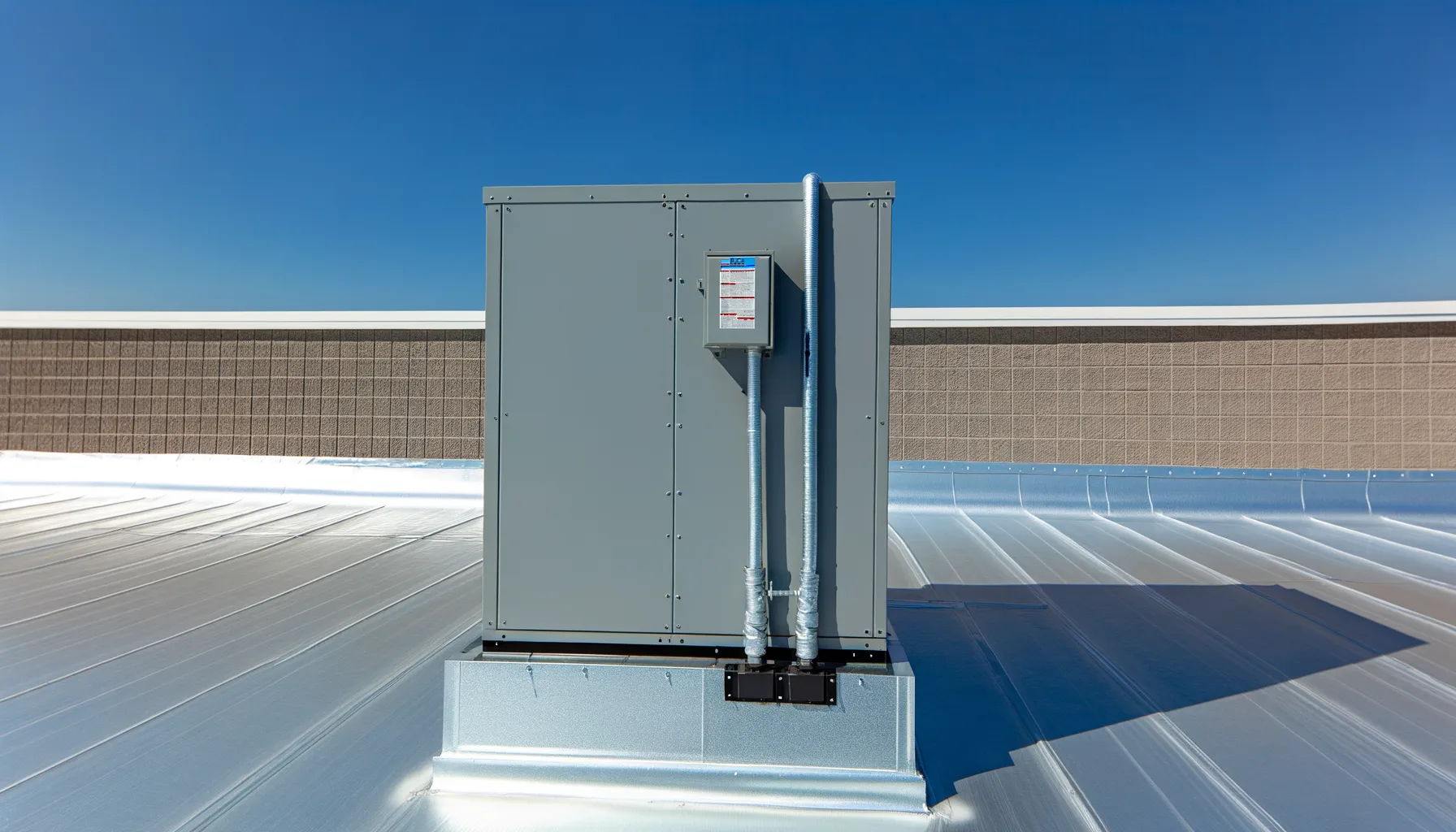
Energy-Efficient HVAC Options for Avon Homeowners
Published: 2026-04-04 · By BestCool Heating and Air Conditioning
Your heating and cooling account for 40% to 50% of Indiana household energy costs. Upgrading to efficient equipment can cut that by 25% to 40%, saving $500 to $1,500 annually depending on your current system and usage. Over a 15-year equipment lifespan, that's $7,500 to $22,500 in savings. Add utility company rebates and tax incentives, and efficient HVAC isn't a cost—it's an investment with excellent returns.
High-Efficiency Furnaces: AFUE Ratings Explained
AFUE (Annual Fuel Utilization Efficiency) measures what percentage of your heating fuel actually heats your home. An older furnace from the 1990s operates at 75% to 80% AFUE. That means 20-25% of your gas escapes as waste heat. Modern standard furnaces operate at 82% to 85%. High-efficiency furnaces reach 95% AFUE.
An 95% AFUE furnace costs 20-30% more than a standard 80% furnace, but in Indiana's brutal winters, that premium pays back in 7 to 10 years of energy savings. A $3,000 upgrade generating $300 to $400 in annual savings pencils out quickly.
High-efficiency furnaces also recover heat from exhaust gases that older furnaces waste. They run longer at lower capacity rather than cycling on and off constantly, providing more even heating and less temperature swinging. Some models include variable-speed blowers that modulate airflow based on demand, improving comfort and reducing noise.
If you're in an older Avon home with a crawlspace furnace, upgrading to high-efficiency addresses both efficiency and reliability. Furnaces typically last 15 to 20 years. If yours is past 15, replacement makes sense even if it still works.
Air Conditioning Efficiency: SEER Ratings
Seasonal Energy Efficiency Ratio (SEER) measures cooling efficiency. Older AC systems have SEER ratings of 10 to 12. Current minimum standard is 13 SEER. High-efficiency units reach 16-18 SEER. A 16 SEER air conditioner costs 25% more than a 13 SEER unit but uses 25% less energy for cooling.
In Avon's humid summers with temperatures often in the 90s, an efficient AC system cuts peak cooling costs dramatically. If your electric bill peaks at $250-300 in July with an older AC, upgrading to 16 SEER might reduce that to $180-220. Over five hot months, that's $300 to $500 in savings.
Newer AC units also handle dehumidification better. High-efficiency models cool more gradually, allowing moisture removal. Older systems cool fast but don't dehumidify effectively, leaving homes feeling clammy despite the temperature reading.
Heat Pumps: Heating and Cooling in One System
Heat pumps are the future of residential climate control. A single outdoor unit handles both heating and cooling. In summer, they operate like traditional air conditioners. In winter, they reverse the cycle to extract heat from outside air and move it indoors. This sounds magical—extracting heat when it's freezing—but it works because outdoor air above absolute zero contains energy.
Heat pumps have Heating Season Performance Factor (HSPF) ratings for winter efficiency. Modern heat pumps reach 8 to 10 HSPF, compared to older technology at 6 to 7. Combined with summer SEER ratings of 16-18, heat pumps provide efficient year-round climate control.
Indiana winters present a challenge. When outdoor temperatures drop below 35°F, a heat pump's efficiency decreases. Most modern systems include auxiliary heat—an electric coil that kicks in during extreme cold. This hybrid operation (heat pump plus backup) ensures reliable heating even during -11°F Hendricks County cold snaps.
Benefits of heat pumps: single outdoor unit instead of separate AC condenser and furnace, lower operating costs than furnace plus AC, and environmental advantages (electricity efficiency improves yearly as the grid decarbonizes, but gas furnaces stay the same). Drawbacks: higher upfront cost, reliance on refrigerant cycle (more complex than combustion furnaces), and less efficient in extreme cold without auxiliary backup.
For Avon homeowners not heavily dependent on natural gas heating, heat pumps are worth serious consideration. They're becoming standard in new construction because of long-term operating cost advantages.
Smart Thermostats: Automated Savings
A programmable thermostat lets you schedule temperature setpoints. A smart thermostat goes further—it learns your schedule, predicts comfort needs, provides usage reports, and integrates with your smartphone.
Real-world smart thermostat savings: A typical household might be home until 8 AM, away 8 AM to 6 PM, then home 6 PM to 10 PM before sleeping. With a smart thermostat, you heat to 70°F until 8 AM, drop to 62°F during the away hours (reducing heating load), heat back to 70°F by 5 PM, then cool to 68°F for sleeping hours. This schedule typically saves 10% to 15% on heating and cooling bills compared to constant 70°F setpoint.
Some smart thermostats integrate with weather forecasts, knowing that outside temperature will drop tonight, so they adjust slightly to maintain comfort without overheating. Others learn occupancy patterns—if you leave at the same time daily, the thermostat starts adjusting temperature before your departure. Advanced models offer geofencing, using your phone location to adjust setpoints when you're approaching or leaving home.
Smart thermostat pricing ranges from $150 to $400 installed. Payback occurs within two heating seasons for most Avon homes. They're among the best ROI efficiency upgrades available.
Ductwork and Sealing: The Hidden Efficiency Problem
Even a high-efficiency furnace or AC loses efficiency if ductwork is leaky. Ducts in unconditioned spaces (attics, crawlspaces) lose temperature as air travels. Disconnected sections waste conditioning to spaces you're not trying to heat or cool.
Duct leakage testing measures what percentage of air escapes. Modern standard is less than 15% leakage. Many Avon homes with older ductwork have 25% to 40% leakage. Sealing ducts to 10% leakage improves efficiency by 15-20% and often costs less than efficiency equipment upgrades.
If you're replacing your furnace or AC, budget for duct inspection and sealing. It's cost-effective work that compounds the efficiency gains of your new equipment.
Whole-House Humidification: Comfort and Efficiency
Indiana winters are brutally dry. Indoor air drops to 15-20% relative humidity when furnaces run continuously. Dry air feels colder than it is, so you increase the thermostat. Dry air also dries skin, irritates sinuses, and warps wood.
A whole-house humidifier mounted on your furnace maintains 40% relative humidity (the comfort optimum). At 40% humidity, a 70°F home feels as comfortable as 72°F with dry air. The thermostat can drop 1-2°F, saving 3-5% on heating bills while improving comfort. Installation cost is $400-600, payback is 5-7 years.
UV Air Purifiers and Ventilation
Indoor air quality matters increasingly as people spend 90% of time indoors. UV light purifiers kill bacteria and mold spores in your ductwork and coils. HEPA filtration captures 99.97% of airborne particles. Whole-home ventilation systems ensure adequate fresh air intake without drafts.
These aren't energy-efficient in the traditional sense (they consume electricity), but they reduce operating burden on your furnace and AC by preventing coil fouling and maintaining healthier air. For Avon families with allergies or asthma, the health benefits justify the $400-1,200 investment depending on the system.
Calculating Payback and ROI
When considering equipment upgrades, calculate simple payback: cost divided by annual savings. A $3,000 furnace upgrade saving $400 annually has a 7.5-year payback. A $200 smart thermostat saving $30 annually has a 6.7-year payback. If equipment lasts 15-20 years and payback is 7-10 years, you'll recoup the investment and enjoy years of extra savings.
Factor in utility company rebates (often $300-500 for efficient equipment) and federal tax credits (up to $3,200 for heat pumps in 2025). These reduce your net cost and improve payback.
Avon-Specific Considerations
Avon's extreme weather—brutally cold winters and hot, humid summers—makes efficiency particularly valuable. Unlike mild climates where HVAC runs minimally, Indiana's seasonal extremes mean heavy heating in winter and heavy cooling in summer. That's where efficient equipment truly shines. Your $5,000 heat pump or furnace upgrade pays back faster in Indiana than in states with mild climates.
Making the Decision
If your current system is 10-15 years old and reliable, starting with a smart thermostat provides immediate energy savings with low cost. If your system is past 15 years or breaking down repeatedly, replacement with efficient equipment makes sense. If you're planning major renovations or additions, designing new ductwork to modern standards eliminates leakage from the start.
Every home's situation is unique. The right efficiency improvements depend on your current equipment, age, condition, and usage patterns.
Ready to explore efficiency options for your Avon home? Call BestCool at (463) 229-8619. We'll evaluate your current system, explain efficiency options at different price points, and help you prioritize investments based on payback and your budget.